There’s more to (culinary) life than restaurants and tasting menus. Certainly, some of those can actually be quite devoid of life.
I remember once visiting a restaurant with my father, and after we had sat very quietly for the first few minutes, glancing around awkwardly, he said to me: “This is like a restaurant on the moon,”
”What?” I asked, in a sound that came out half-amused-half-confused.
”There’s no atmosphere,”
Ba-dum, tss.
Certainly, this has never been an issue with supper clubs, whose history found its first roots in the prohibition era of the United States of America, with speakeasies and bootleggers. Non-liquid underground dinners may very well have taken place elsewhere in the world at that stage too – however, its first recorded occurrence was in the 1930s in London.
Despite its far-reaching past, few locations worldwide have become truly ‘known’ for density of ‘secret’ restaurants, such as Cape Town and the Netherlands. One wonders if this might be precisely the point.
In essence, a supper club is an underground dining establishment which falls neither into the category of ‘restaurant’ nor ‘dinner party’, but somewhere squarely in the middle. As with a traditional restaurant, diners are expected to reserve their spots, show up, and pay their bill at the end of the evening. However, it is what happens in between that makes all the difference.
There are many different reasons that one may be drawn to attending a Supper Club. For some, it is an opportunity to try new foods that they may not be entitled to in restaurants, for practical or financial reasons. While the food (naturally) remains an incredibly important part of the experience; for us, the Supper Club has at its core been about the ability to share space and stories with strangers in a way that traditional dining just doesn’t allow.
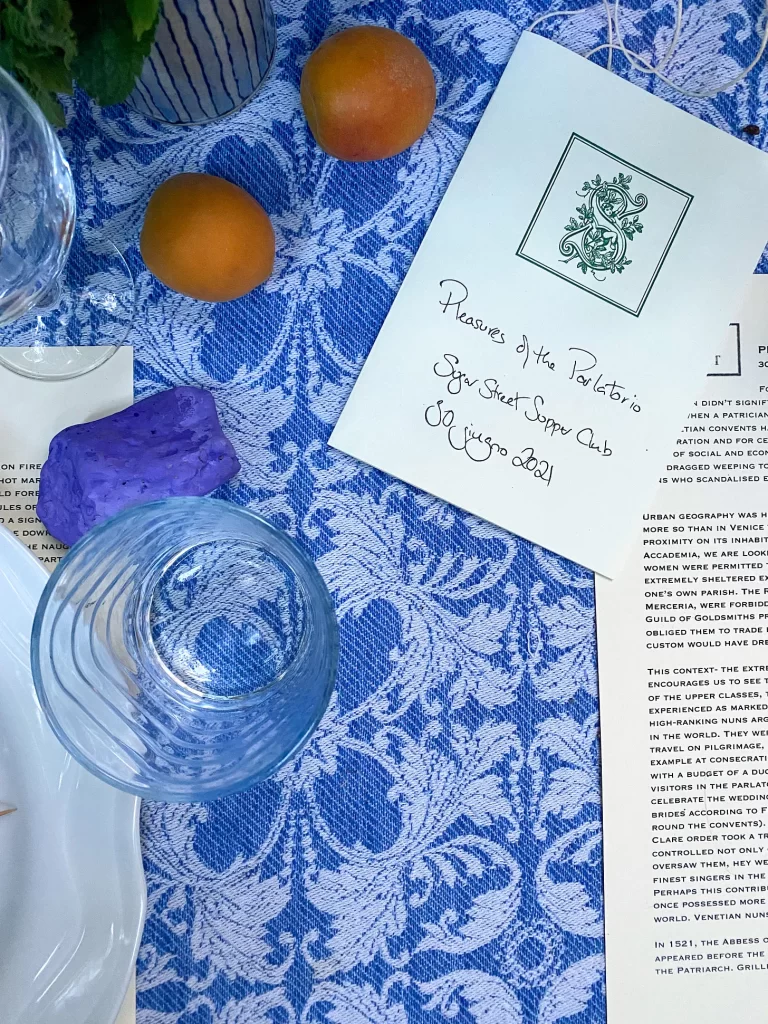
The Supper Club in Venice, named Sugar Street, came together as a joint project between bestselling author Lisa Hilton and private chef Anna Gilchrest in order to give life to the history of La Serenissima through food. The result is an explosion of the senses, where you are invited not only to taste the carefully curated menu, but learn new friends’ faces, listen to stories, exchange handshakes, and inhale the sweet aromas of their gorgeous garden.
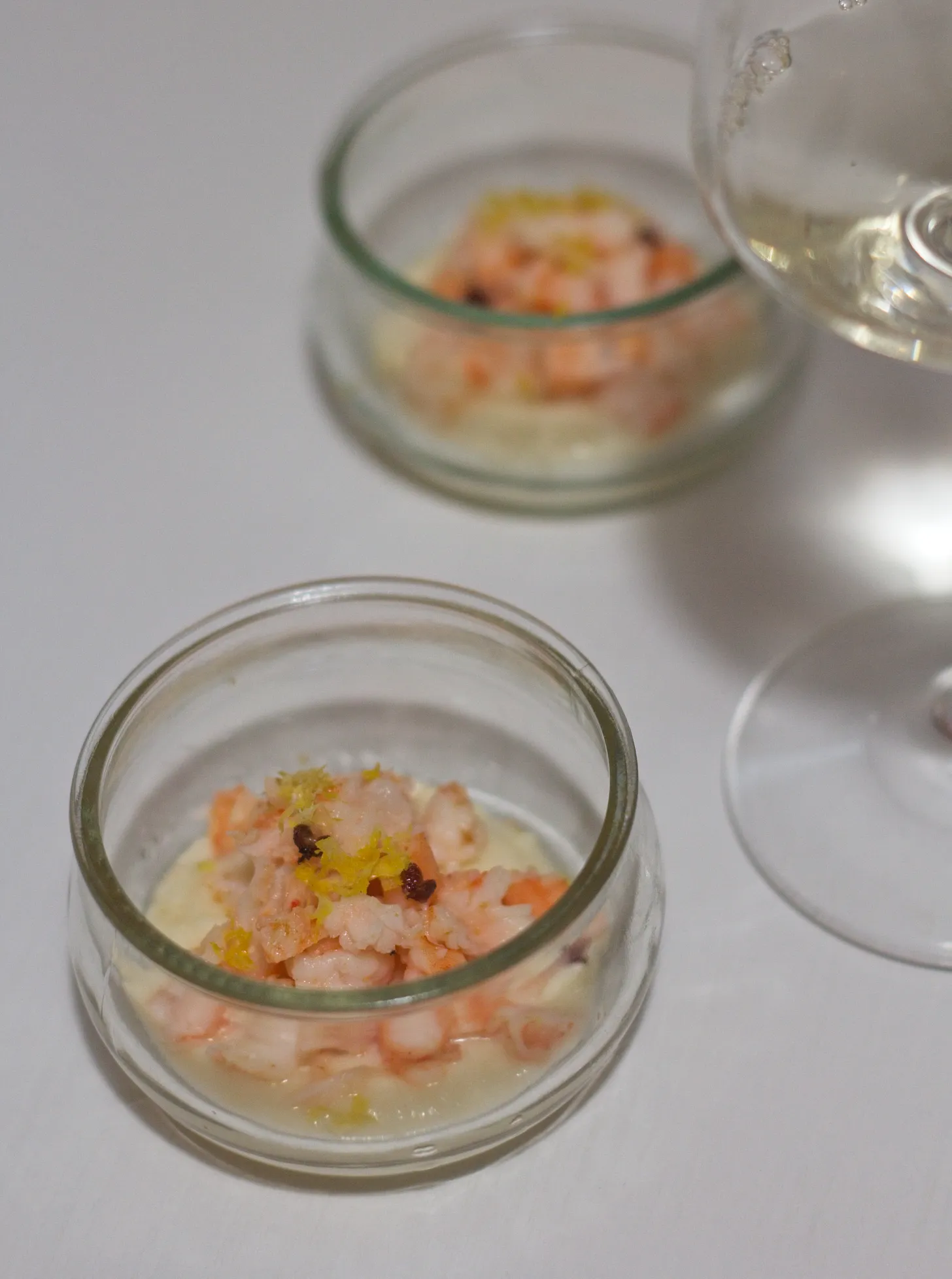
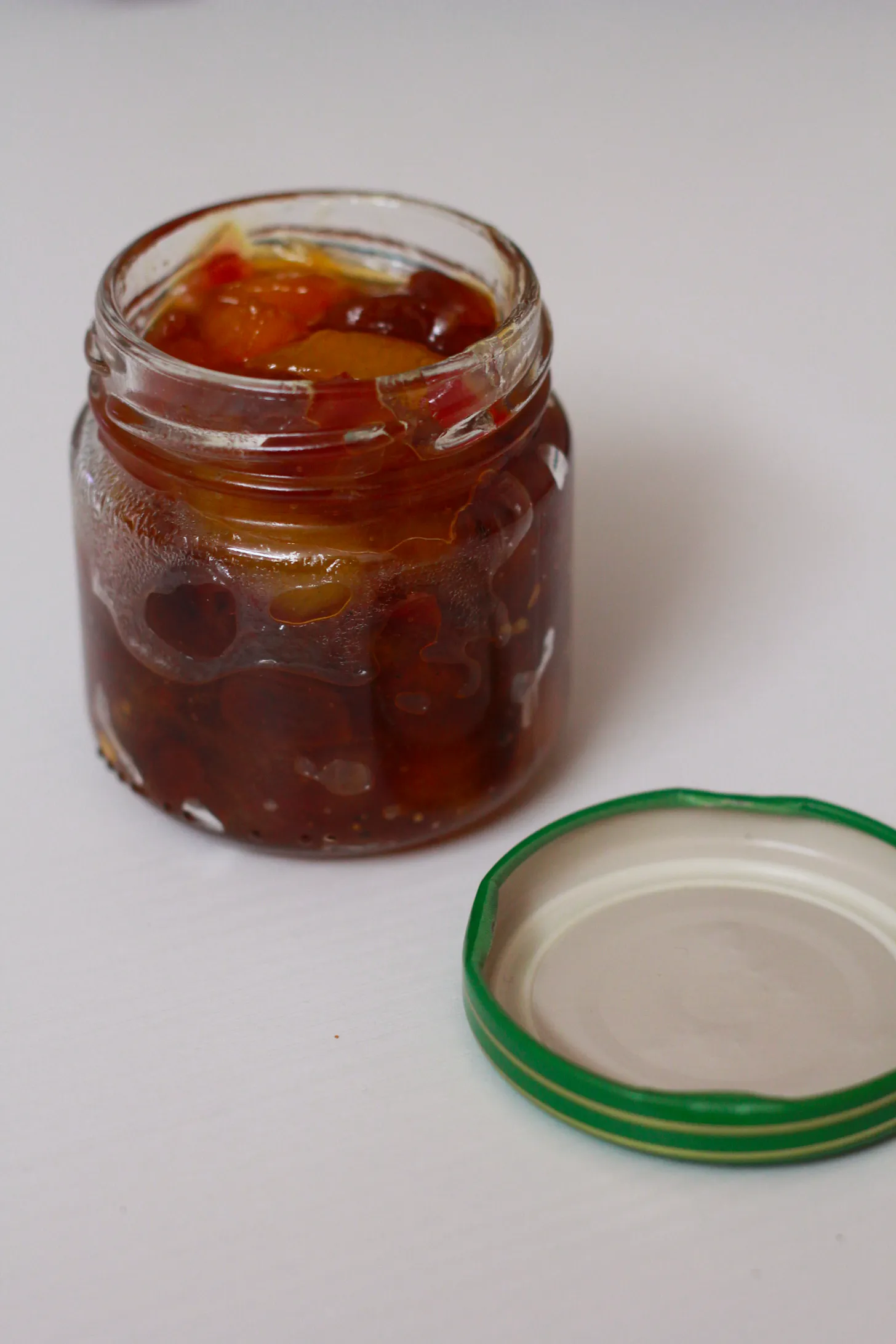
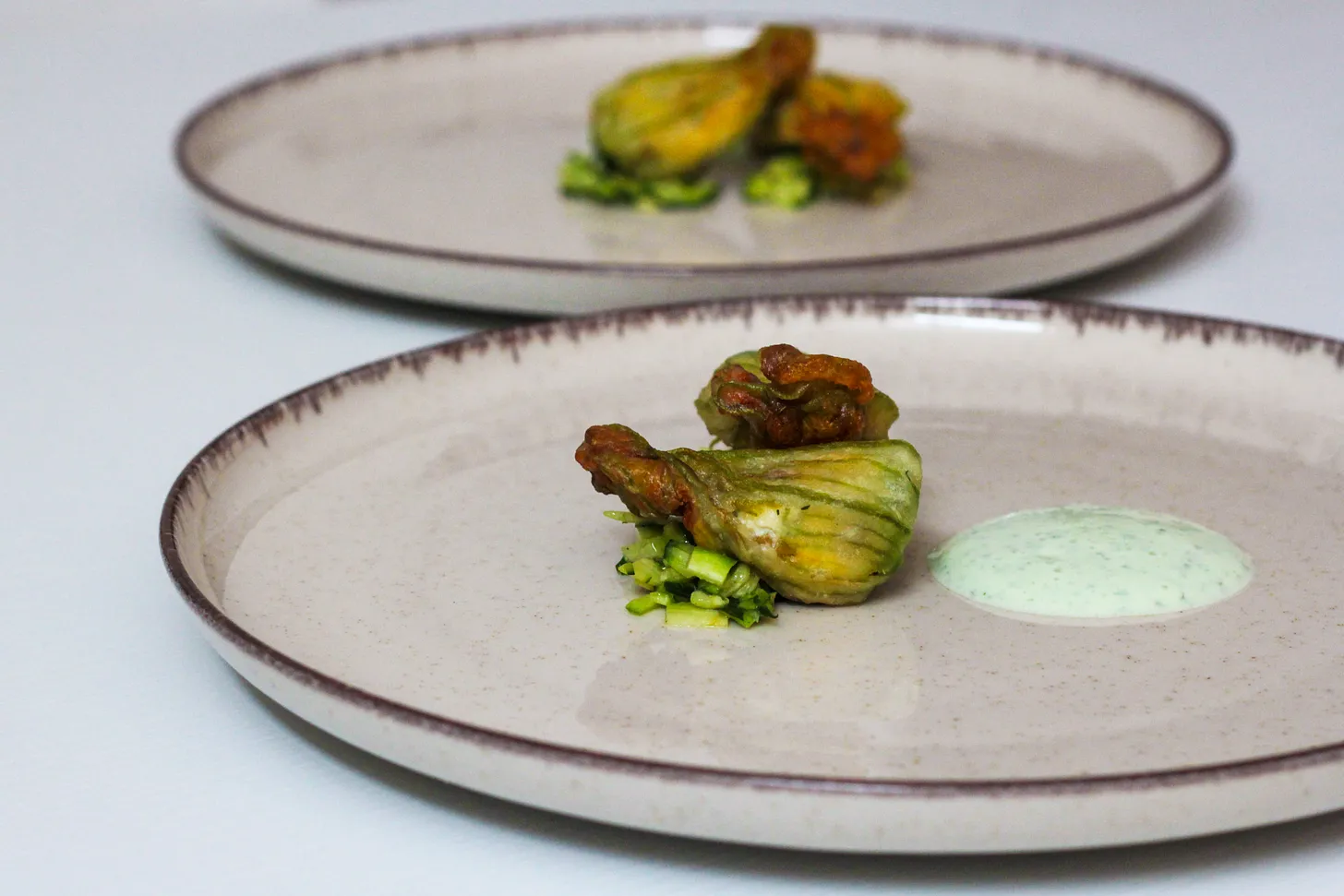
The last Supper Club we attended was centred around the theme of the Venetian coventry. On each table, aside from the handwritten menu, one could find a full two pages of background on the subject, meticulously researched and converted to prose. Each course of the menu is set against this historical backdrop – for example the primo of “stolen scallops”, a reflection of the fishermen’s less-than-bountiful returns after having paid a visit to the coventry islands, or the cheeky secondo of “inquisitor’s involtino” (inquisitor’s roulade) – rolled veal with apricot stuffing.
There’s a refined beauty in the marriage between food and narrative at Sugar Street, and it’s an experience that, ever since our first, we’re racing to get back to.
If you live in a city that’s fairly well populated, you more than likely have a Supper Club hiding somewhere. Notable mentions are those such as Ma’ Hidden Supper Club in Milano, Secret Supper Club by Homespun in Cape Town, einsteinLyon in Lyon, the Sunday Dinner Club in Chicago and the Sunday Night Dinner in New York, but there are many many more around the world, just waiting to have your name on the list.